2021 AMC 12A Problem 10
Problem 10 of 25EasierGeometry
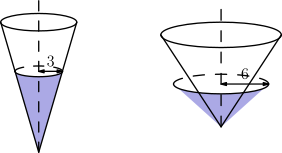
Two right circular cones with vertices facing down as shown in the figure below contain the same amount of liquid. The radii of the tops of the liquid surfaces are cm and cm. Into each cone is dropped a spherical marble of radius cm, which sinks to the bottom and is completely submerged without spilling any liquid. What is the ratio of the rise of the liquid level in the narrow cone to the rise of the liquid level in the wide cone?
Answer choices
Show solution
Solution
The liquid in each cone forms a smaller cone similar to the container. Let the narrow liquid cone have radius and height and the wide one radius and height Equal volumes give so
Dropping the marble raises the volume by the same amount in each cone, and both start with the same volume Because a cone’s volume scales as the cube of its height, the new height is so each rise equals This factor is identical for the two cones, so the rises are in the ratio
Thus, the correct answer is E.
Tagged: cone · similarity · power scaling of length, area, and volume